Water Damage Restoration in Raleigh? Get Help Now.
Water extraction, structural drying and cleanup help for leaks, flooding, burst pipes, sewage losses and wet building materials.
☎ Call (919) 877-6330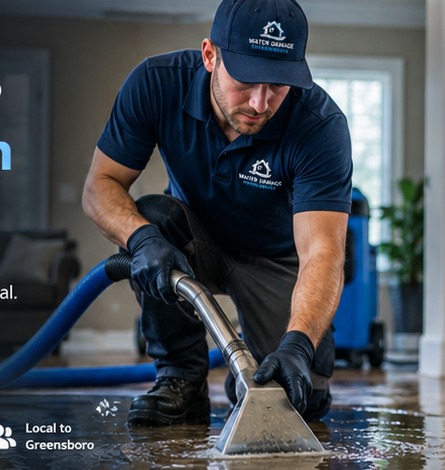
Real service work. Real equipment. Clear next step.
RESTORATIONRALEIGHService Choice
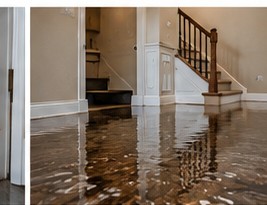
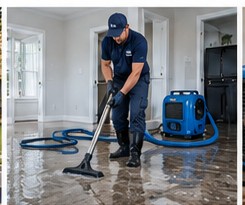
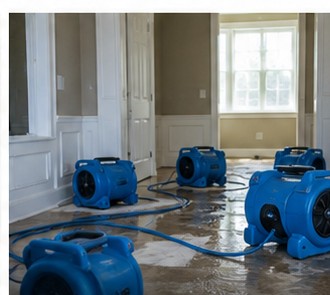
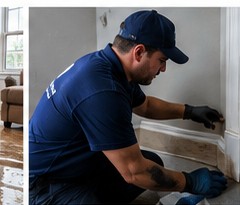
Water in the house? Call now.
Tell us what happened, where the water is, and whether it is still spreading.
Call (919) 877-6330When this service may be needed
- Leaks and plumbing failures
- Flooded rooms and crawl spaces
- Appliance and supply-line water losses
- Sewage backups
- Hidden moisture after the visible water is gone
Water damage help by problem type
Water Extraction
Remove standing water after leaks, overflows, appliance failures and flooding.
Learn more →Structural Drying
Dry walls, floors and other affected materials after the visible water is gone.
Learn more →Flood Cleanup
Address indoor flooding and the moisture left behind in affected areas.
Learn more →Sewage Cleanup
Treat sewage backups as a contamination problem, not ordinary water removal.
Learn more →Emergency Water Damage
Get a clear next step when water is actively entering or spreading.
Learn more →Burst Pipe Damage
Respond to pipe failures after the water source has been shut down.
Learn more →Crawl Space Water Damage
Address standing water and hidden moisture below floors after leaks, storms or drainage problems.
Learn more →Hidden moisture matters as much as visible water.
Wet subfloors, wall cavities and crawl spaces can stay damp after surface water is removed. Raleigh’s warm, humid conditions make controlled extraction, airflow, dehumidification and moisture checks especially relevant after a water loss.
Call (919) 877-6330Service-first help
Start with what happened, where the water is, and whether it is still spreading.
Call NowCall once. Get a clear service next step.
You do not need to diagnose the whole problem first. Start with what happened and where the water is.
Call and describe the loss
Tell us the water source if known, where it is showing, and whether it is still entering.
Confirm the next step
Availability, service scope and the appropriate response are confirmed directly for your situation.
Assess, extract and dry as needed
The service provider evaluates the affected areas and begins the appropriate water-removal and drying work.
How professional water-damage cleanup generally works
Stop the source
If water is still entering, shut it off only when it can be done safely. Active electrical hazards require extra caution.
Remove standing water
Extraction reduces the amount of water that can continue moving into porous materials.
Find hidden moisture
Floors, baseboards, wall cavities and nearby rooms may stay wet after the surface looks dry.
Dry the structure
Air movement and dehumidification help remove retained moisture from affected materials.
Document the loss
Photos, notes and receipts can help create a clear record if insurance may be involved.
Document the loss before details disappear
When it is safe, take photos of the source, affected rooms and damaged materials before major cleanup. Keep receipts and notes about when the water was discovered and what steps were taken to limit further damage.
Need a clear next step?
Call with the source of the water, rooms affected, and whether water is still entering the property.
Call (919) 877-6330Frequently asked questions
What should I do first after water damage?
Stop the water source if it is safe, avoid electrical hazards, move away from contaminated water, and call for restoration help before moisture spreads farther.
Does all water damage require extraction?
No. Small contained leaks may not leave standing water, but hidden moisture can still remain in floors, walls or cabinets.
How long does structural drying take?
Drying time varies with the amount of water, materials affected, airflow, humidity and how quickly the loss is addressed.
Should I document water damage for insurance?
If insurance may be involved, photograph affected areas before cleanup when safe, keep receipts, and record the source and timing of the loss.